August 11, 2026
The intricate art of merging stone structures with native flora is a skill mastered by hardscape contractors. This article delves into the techniques, challenges, and beauty of such integrations, offering insights into creating harmonious landscapes that resonate with the natural environment. Merging these natural elements not only enhances visual appeal but also creates sustainable and low-maintenance landscapes that thrive within their ecological contexts. By exploring site analysis, material selection, and design principles, this article provides a comprehensive guide for anyone interested in this unique aspect of landscaping. As outdoor projects gain popularity, it is significant to understand how the synergy between stone and native plant life contributes to the well-being of both homeowners and the environment.
Analyze The Site Characteristics
Understanding the soil composition and drainage of a site is a critical step in any landscaping project. Different plants thrive in different soil types, and knowing the acidity, texture, and nutrient levels in the soil can guide the selection of appropriate flora. Hardscape contractors often conduct soil tests to determine key characteristics that influence plant health and stone stability. Proper management of water elements prevents erosion and flooding, ensuring plant roots and stone structures remain stable and untouched by weather-related damage. Additionally, an inclusive survey of local flora and fauna is vital. Hardy, native species that flourish naturally provide a baseline for creating a resilient and sustainable garden that can withstand environmental pressures.
Assessing the natural topography is an additional fundamental aspect of site analysis. A comprehensive evaluation of the existing slopes and contours reveals natural pathways for water runoff and identifies ideal locations for structural features. Instead of fighting the natural lay of the land, professionals use these variations in elevation to their advantage, designing features that complement the terrain. Working in harmony with the topography minimizes the need for extensive excavation, which preserves the delicate root systems of existing native plants. This mindful approach ensures that newly introduced stone elements settle seamlessly into the environment, promoting a stable and flourishing ecosystem for years to come.
Evaluate Climate And Sunlight Patterns
Local climate and weather patterns play a decisive role in the planning of outdoor projects involving stone and native flora. Hardscape contractors study regional climate data to choose plants that thrive under specific temperature ranges, rainfall levels, and humidity conditions. By selecting flora that naturally coincides with the area's climate, professionals can minimize the need for artificial irrigation and reduce water consumption. Furthermore, sunlight and shade patterns significantly influence the selection and placement of stones and plants. Accurate identification of these patterns informs the design by revealing which areas receive full sun, partial sun, or full shade throughout the day.
Beyond immediate weather patterns, considering the long-term effects of seasonal shifts is essential for enduring designs. Different materials react uniquely to temperature fluctuations, with certain stones acting as thermal masses that absorb heat during the day and release it at night. This thermal behavior can significantly alter the microclimate surrounding the installed features, extending the growing season for specific native plants or, conversely, causing undue stress if not managed correctly. By strategically placing stones to optimize these thermal properties, experts can create sheltered pockets that protect sensitive flora from harsh winds or unexpected frost. This deep understanding of environmental interactions guarantees a resilient and thriving outdoor space throughout every season.
Choose The Right Stone Materials
Choosing the appropriate type of stone is fundamental to the creation of successful landscapes. This journey begins with understanding the myriad properties of stone: color, texture, durability, and weather resistance. Hardscape contractors must decide whether the aesthetic desires of a project will be met by the natural range of stone colors and textures or if a more engineered stone will provide the flexibility needed for artistic motifs. Many professionals prioritize locally sourced stone to reduce environmental impact, foster regional economic health, and ensure suitability for the natural environment. By choosing native stone, the visual appearance of new structures aligns with the surrounding landscape, creating continuity and cohesion.
The porosity and texture of the selected materials also play a substantial role in the overall success of the design. Highly porous stones might encourage the growth of beneficial mosses and lichens, seamlessly blending the structural boundaries with the organic environment over time. Conversely, denser materials provide a sleek, impenetrable surface ideal for high-traffic pathways or areas requiring strict water diversion. By carefully matching the physical characteristics of the stone with the specific functional needs of the garden, professionals craft spaces that are as practical as they are beautiful. This meticulous selection process ensures that every element ages gracefully, acquiring a natural patina that enhances the landscape's historical depth and character.
Balance Aesthetics With Flora Compatibility
The harmonious balance of aesthetics and durability forms the cornerstone of successful outdoor installations. Stone selections that prioritize durability, such as granite and basalt, are often sought for their ability to resist wear from environmental elements while maintaining their visual appeal. According to WifiTalents, 84% of individuals living in these updated homes experience a heightened urge to spend time relaxing on their property once the work is complete. To achieve this satisfaction, hardscape contractors ensure compatibility between stone materials and native flora. The choice of stone influences local microclimates that affect plant health, including factors such as heat retention or moisture modification, requiring a deep understanding of the intersection between horticulture and geology.
Furthermore, the visual interaction between the mineral colors and the shifting seasonal hues of the native plants requires thoughtful consideration. A well-designed project anticipates how the bright greens of spring, the vibrant blossoms of summer, and the muted tones of autumn will contrast or blend with the permanent stonework. Additionally, the chemical makeup of certain rocks can gradually alter the soil chemistry, gently shifting the growing conditions nearby. Experts navigate these complex interactions by selecting robust plant varieties capable of adapting to these subtle shifts. This proactive planning prevents future horticultural challenges, ensuring the botanical elements remain vigorous and the stone features retain their commanding presence without overpowering the natural beauty.
Create Visual Harmony And Flow
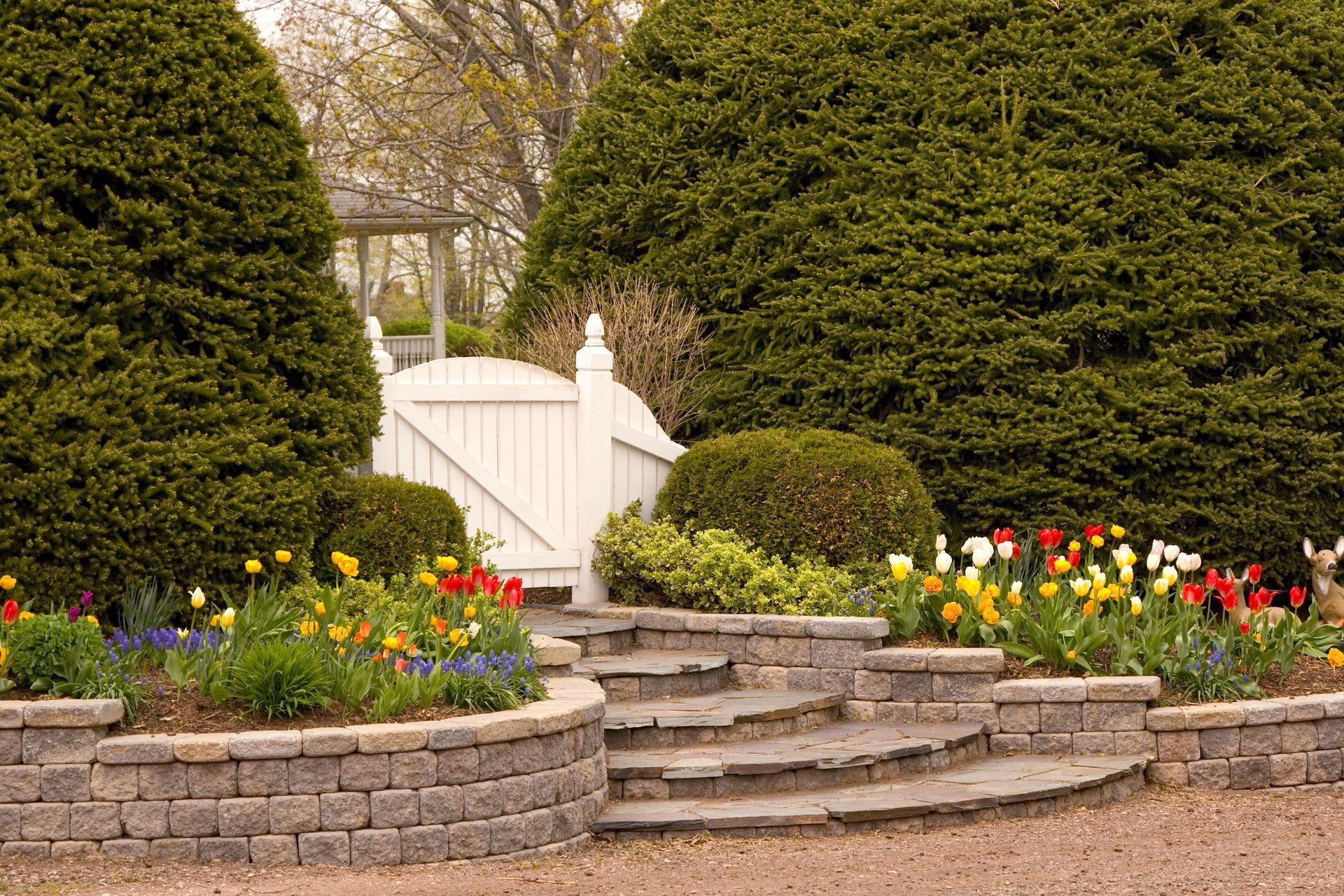
Creating visual harmony between stone and flora is fundamental in a well-executed project. This harmony involves the symbiotic blending of colors, textures, and forms to create a landscape that feels fluid and connected. By thoughtfully considering elements such as balance, proportion, and rhythm in design, hardscape contractors enhance the visual connection between solid structures and soft botanicals. Layering components within a landscape provides a dynamic elevation change that mirrors natural systems and supports visual depth. By arranging elements in layered patterns, professionals lift a landscape's design from static to dynamic, fostering an unpredictable but visually engaging space that invites personal engagement with the environment.
Establishing distinct focal points through the clever grouping of boulders and native plantings further enhances this sense of flow. Rather than scattering materials randomly, intentional clusters draw the eye and create natural resting places within the visual landscape. These focal areas anchor the design, providing structural weight that contrasts beautifully with the delicate, ephemeral nature of the surrounding foliage. Winding stone pathways that gently curve around established trees or native shrubbery invite exploration and discovery, turning an ordinary backyard into an immersive journey. This deliberate orchestration of elements fosters a profound sense of tranquility, encouraging individuals to fully disconnect from daily stressors and reconnect with the natural world right outside their doors.
The successful integration of stone and native flora relies on a careful balance of environmental understanding, material selection, and deliberate design. By prioritizing sustainability and ecological harmony, outdoor spaces can be transformed into enduring retreats that benefit both the homeowner and the local ecosystem. When expertly executed, these landscapes offer lasting beauty and reduced maintenance while supporting local wildlife. If you are ready to transform your outdoor living space into a perfectly balanced natural retreat, reach out to the experts at Forti Landscape Inc today.